

In The Media
Martha Brill Olcott
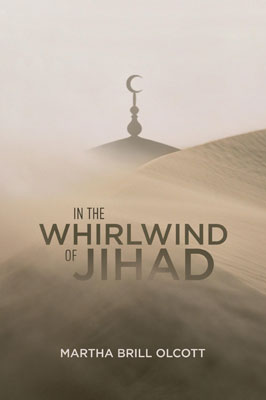
In Uzbekistan, Central Asia’s most populous country, Islam has been an ever-present factor in the lives of its people and a contentious force for political officials trying to build a secular government.
Source: Washington

In the Whirlwind of Jihad examines the intertwined and evolving relationships between religion, the state, and society in Uzbekistan from the late 1980s to today, encompassing the period from the collapse of the Soviet Union to the launch of the U.S.-led “war on terror” in neighboring Afghanistan. Martha Brill Olcott, the foremost expert on Central Asia, concludes that in an era of global communication and increased contact with international Islamic communities, a new role for Islam in Uzbekistan will ultimately emerge with implications beyond the country’s borders.
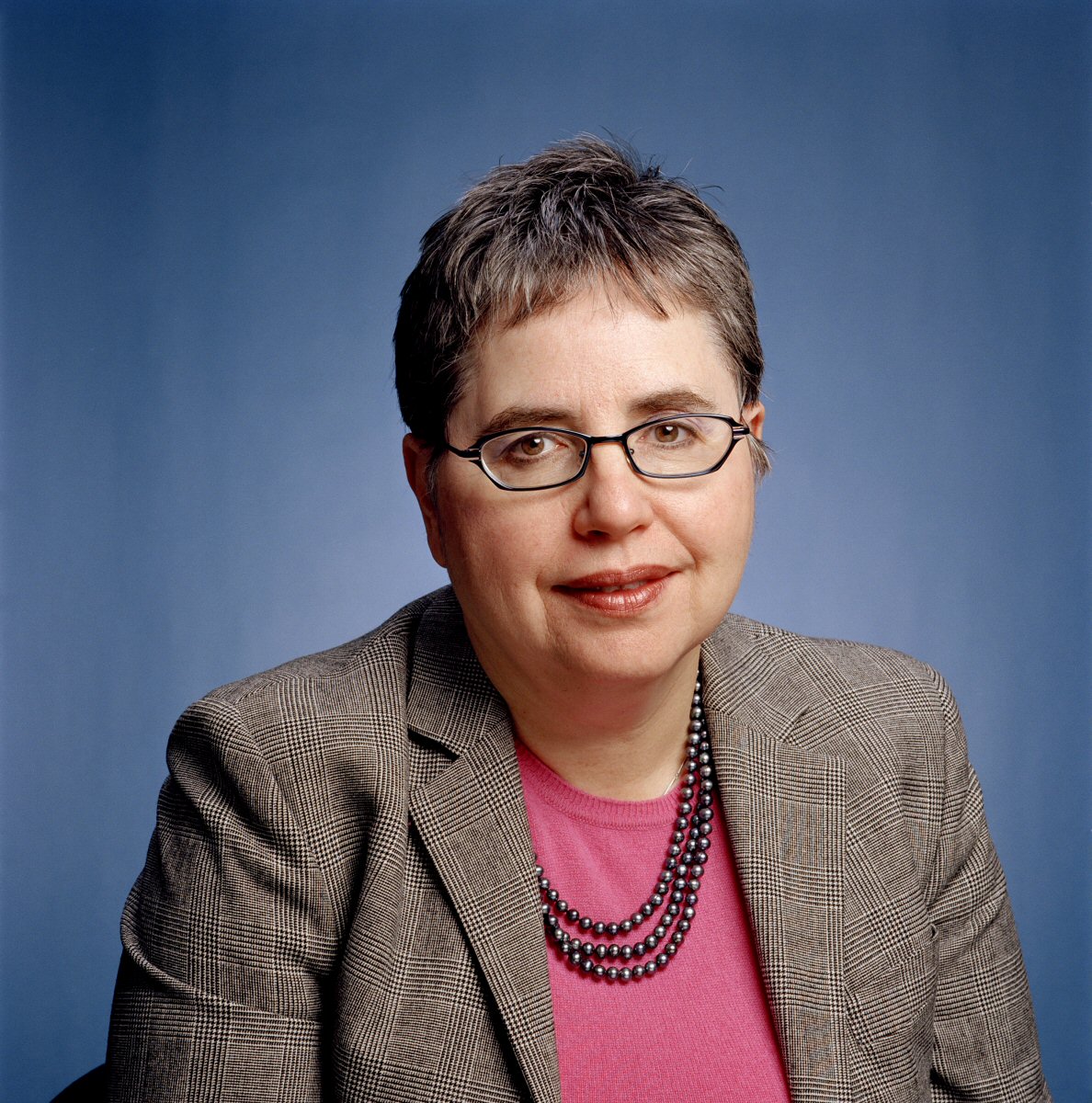
Former Senior Associate, Russia and Eurasia Program and, Co-director, al-Farabi Carnegie Program on Central Asia
Olcott is professor emerita at Colgate University, having taught political science there from 1974 to 2002. Prior to her work at the endowment, Olcott served as a special consultant to former secretary of state Lawrence Eagleburger.
Recent Work
Martha Brill Olcott
Martha Brill Olcott
Carnegie does not take institutional positions on public policy issues; the views represented herein are those of the author(s) and do not necessarily reflect the views of Carnegie, its staff, or its trustees.
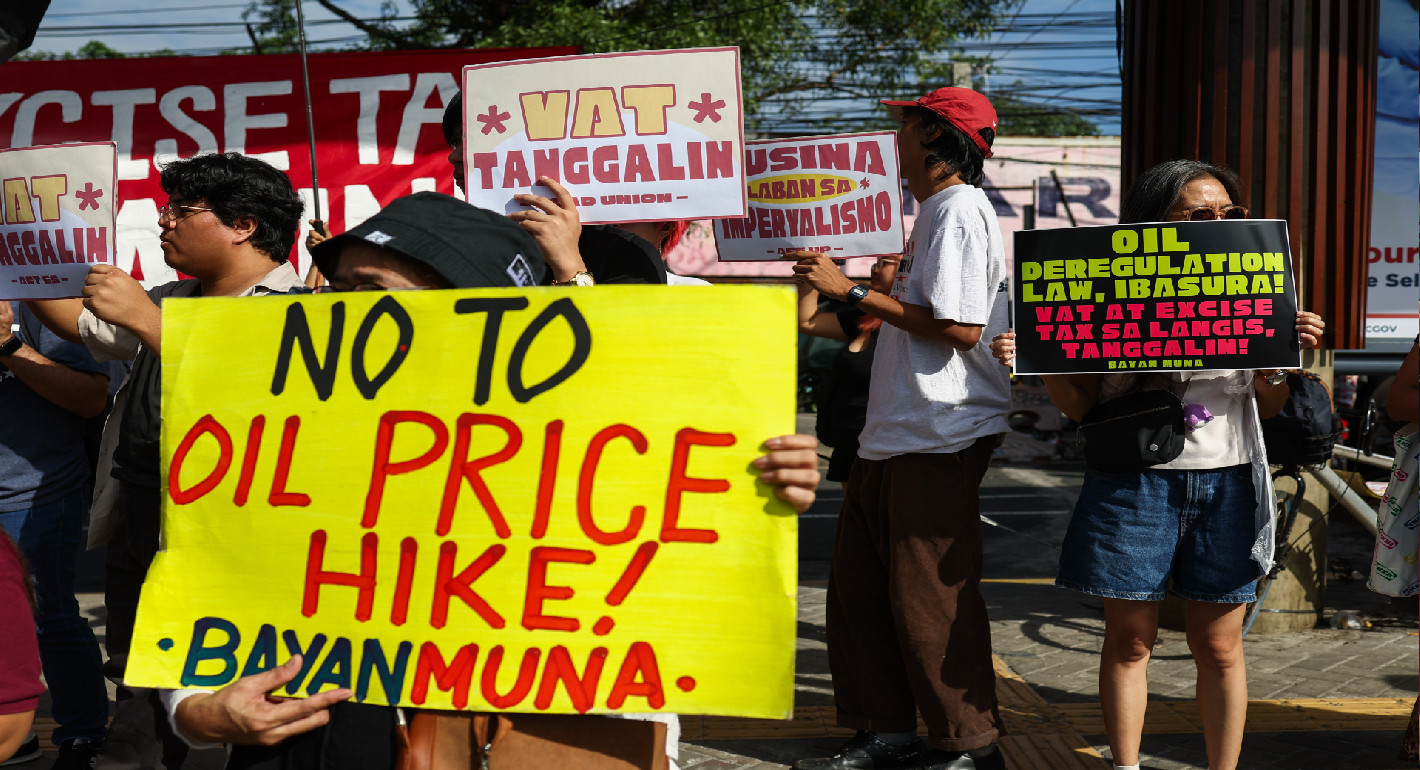
There is no better time for the countries of Southeast Asia to reconsider their energy security than during this latest crisis.
Gita Wirjawan

As conflict in the Middle East drives up fuel costs across Asia, Indonesia faces difficult policy trade-offs over subsidies, inflation, and fiscal credibility. President Prabowo’s personalized governance style may make these hard choices even harder to navigate.
Sana Jaffrey
The wars in Ukraine and the Middle East are existential threats to Europe as a peace project. Leaders and citizens alike must reaffirm their solidarity to face up to today’s multifaceted challenges.

Marc Pierini

The United States ignores the region’s lived experience—and the tough political and social trade-offs the war has produced—at its peril.

Evan A. Feigenbaum
Neither the Abraham Accords nor the presence of large U.S. bases are enough to protect Arab Gulf states.

Marwan Muasher